
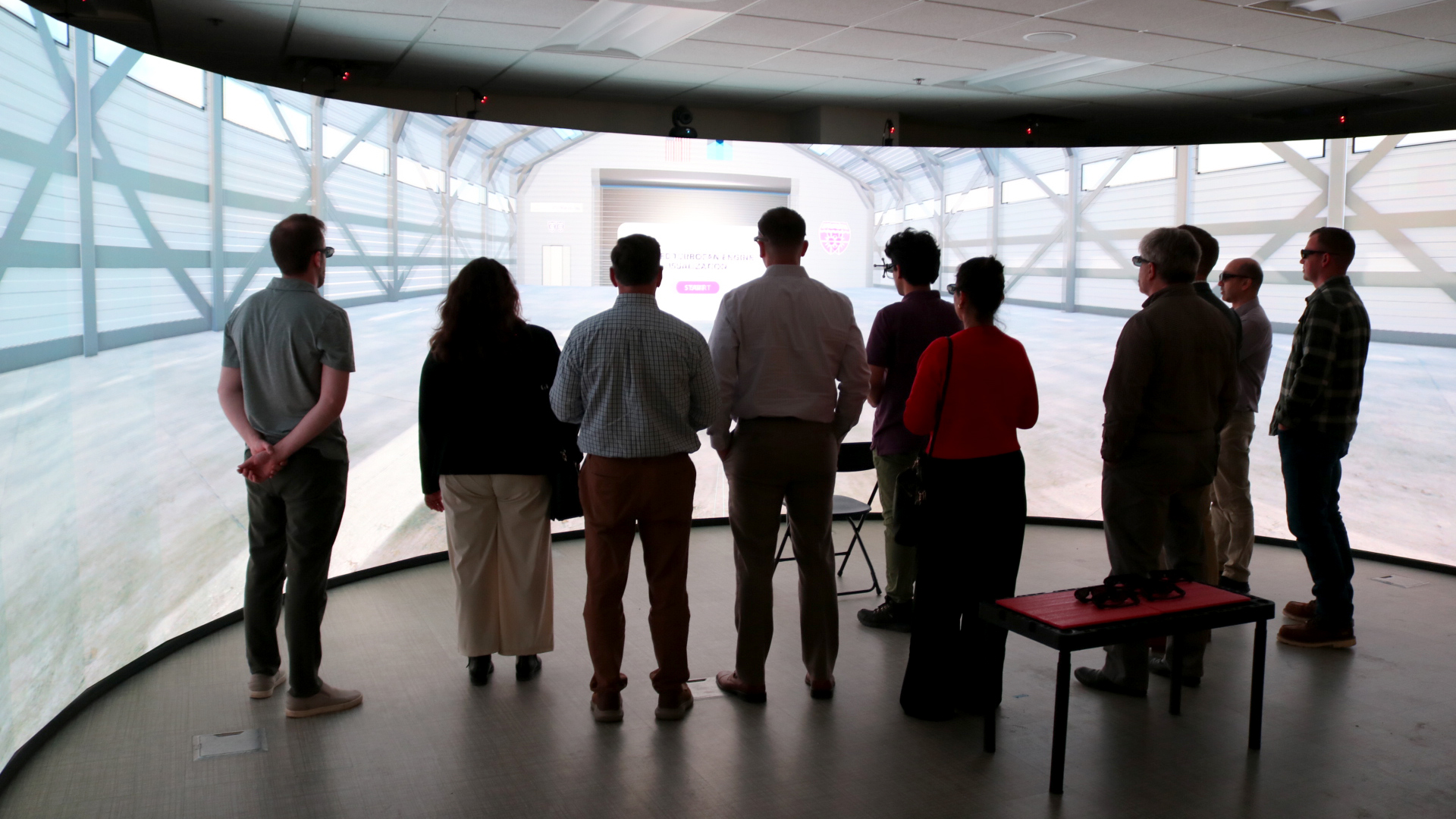
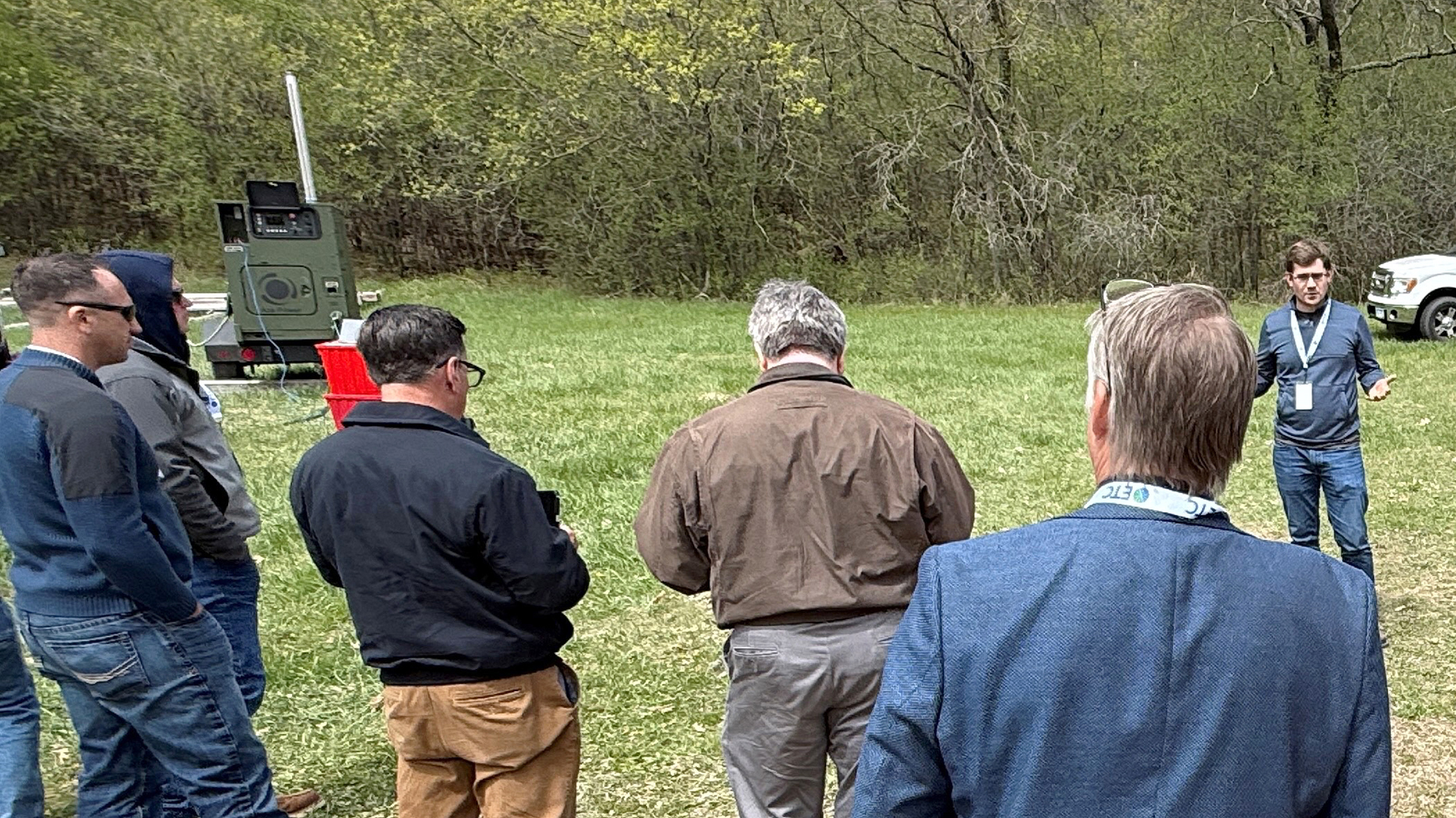
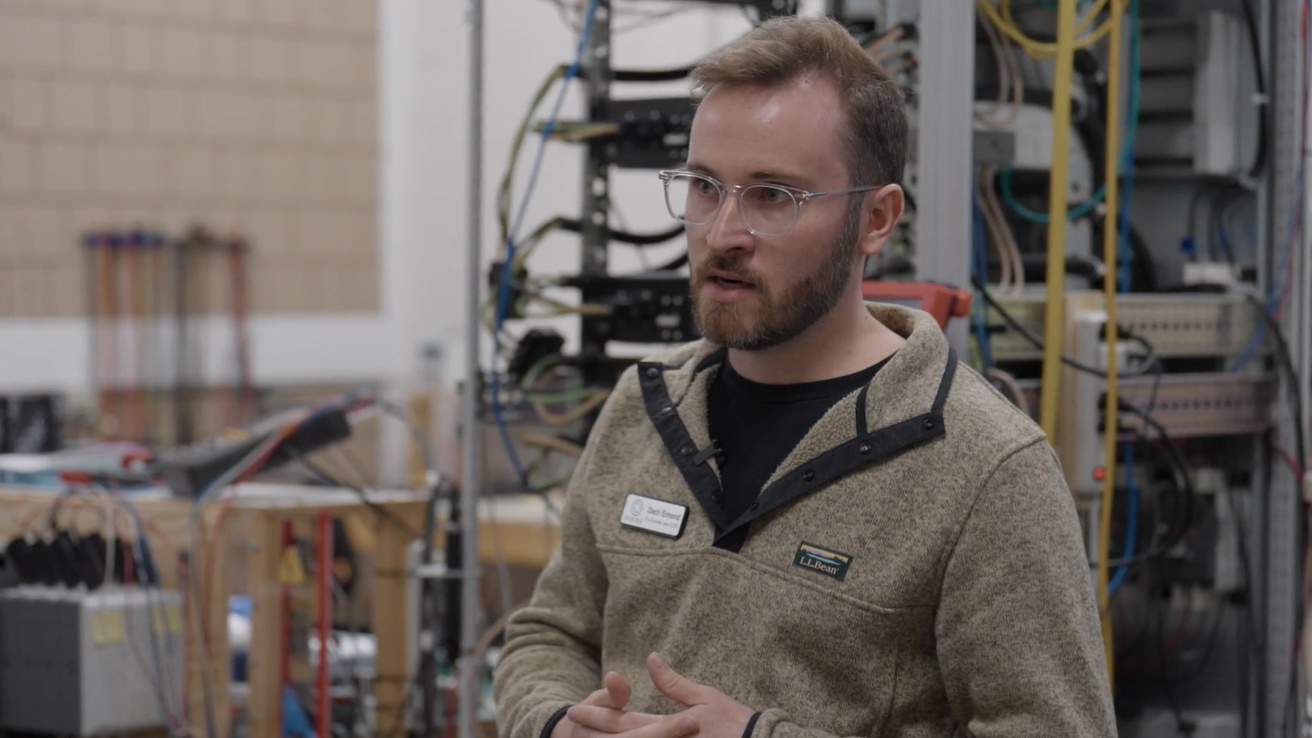
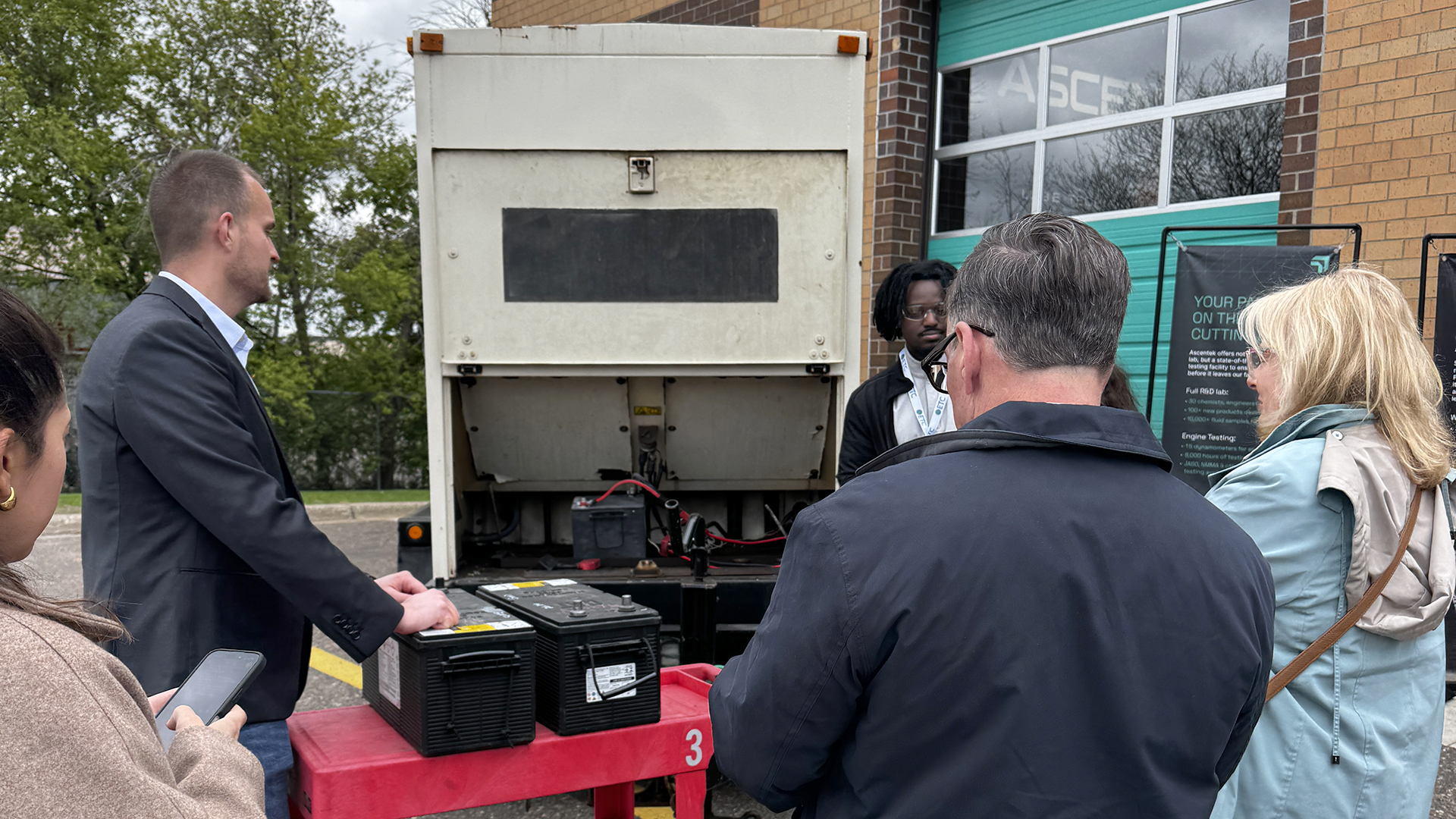
BEST START recently convened defense, government, academic, and industry partners for a three-day technology demonstration event across Minnesota and Wisconsin.
The event showcased innovative energy and power technologies designed to strengthen operational resilience and support next-generation defense capabilities. Participating companies demonstrated advanced solutions focused on energy resilience, autonomous operations, expeditionary power generation, thermal management, microgrids, and AI-enabled energy systems. Demonstrations addressed critical Department of Defense operational energy priorities, including reducing fuel logistics risk, improving energy resilience in contested environments, and supporting the growing power demands of autonomous and AI-enabled systems.
Following the in-person demonstrations, BEST START will host a virtual technology demonstration event on June 11, 2026, featuring participating companies and additional opportunities for engagement and collaboration. Registration is now open.
Schedule (Eastern Time)
- 8:45 – 9 am: Opening Remarks, BEST START quick overview
- 9 – 9:30 am: Syncris
- 9:30 – 10 am: LEMA Defense
- 10 – 10:30 am: Exergi Predictive
- 10:30 – 11 am: Maxwell Labs
- 11 – 11:30 am: 30 minute break
- 11:30 am – 12 pm: Ascentek
- 12 – 12:30 pm: BWR Innovations
- 12:30 – 1: Aza Power
Minneapolis and St. Paul, Minnesota
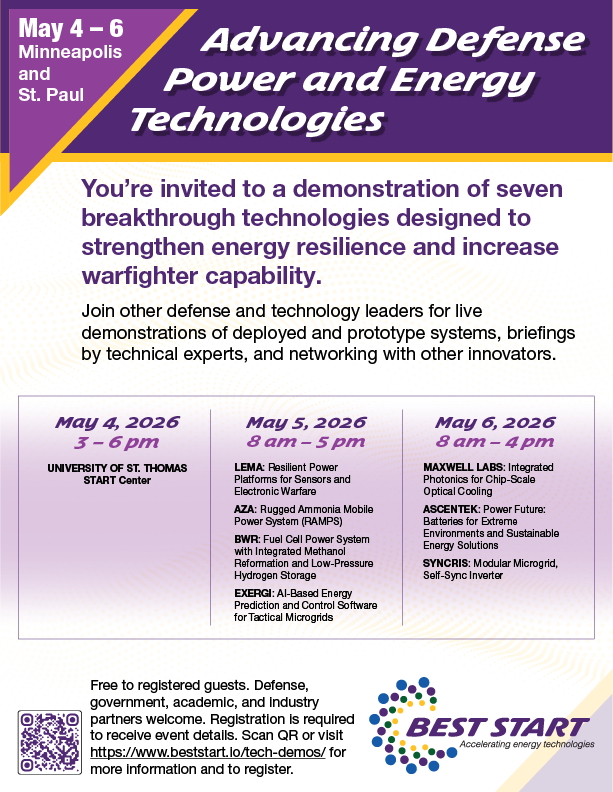
You’re invited to a demonstration of seven breakthrough technologies designed to strengthen energy resilience and increase warfighter capability.
Join other defense and technology leaders at this 3-day event for live demonstrations of deployed and prototype systems, briefings by technical experts, and networking with other innovators. Free to registered guests. Defense, government, academic, and industry partners welcome. Registration is required to receive event details.
Registered participants will receive additional details via email.
May 4, 2026
3 – 6 pm
Site 1
- UNIVERSITY OF ST. THOMAS START Center
May 5, 2026
8 am – 5 pm
Site 2
- LEMA: Resilient Power Platforms for Sensors and Electronic Warfare
- AZA POWER: Rugged Ammonia Mobile Power System (RAMPS)
- BWR INNOVATIONS: Fuel Cell Power System with Integrated Methanol Reformation and Low-Pressure Hydrogen Storage
- EXERGI PREDICTIVE: AI-Based Energy Prediction and Control Software for Tactical Microgrids
May 6, 2026
8 am – 3 pm
Site 3
- MAXWELL LABS: Integrated Photonics for Chip-Scale Optical Cooling
Site 4
- ASCENTEK: Power Future: Batteries for Extreme Environments and Sustainable Energy Solutions
Site 5
- SYNCRIS: Modular Microgrid, Self-Sync Inverter
Ascentek will brief the specifics of their technology, including test data and conclusions. They will also present the AI modeling work conducted by the University of St. Thomas. Following the presentation, the group will move to the physical testing lab where Ascentek will use two identical diesel generators. One generator will be started by a T6 lead-acid battery pack chilled to -40°C. The other generator will be started by a prototype sodium-ion battery pack also cooled to -40°C. Both generators will be instrumented to monitor voltage and current. To further simulate arctic conditions, Ascentek will fill the generator engine crankcases with a custom-formulated lubricant that has the same viscosity as diesel-engine 10W30 oil at -40°C.
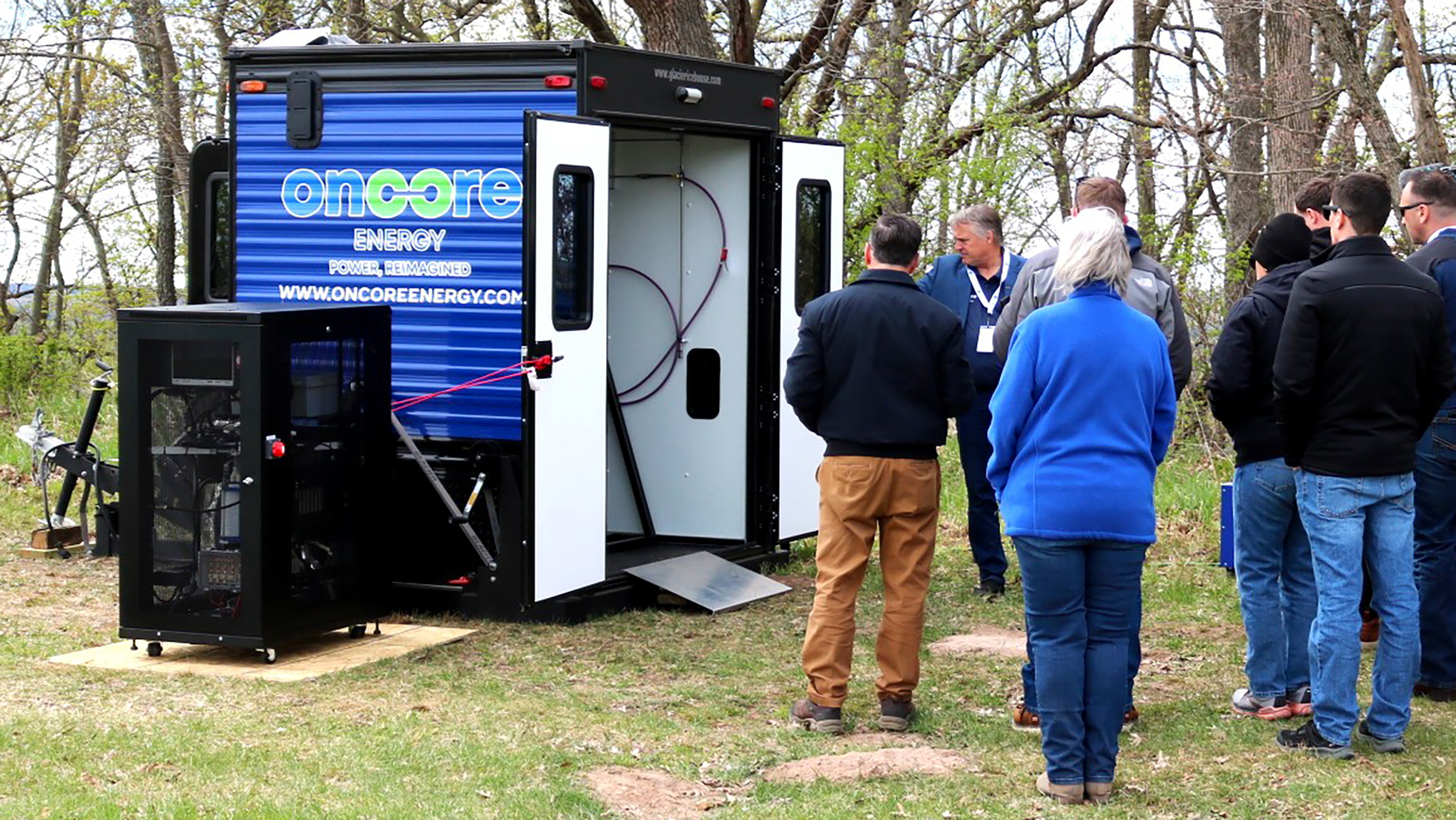
Aza will demonstrate their Rugged Ammonia Mobile Power Source (RAMPS) ammonia-fueled generator on-site at LEMA’s HQ site in Somerset, WI. To demonstrate, they will charge electric 4-wheelers and dirt bikes at the rendezvous site. If additional loading is needed to demonstrate the capability of the RAMPS, a load bank will be added to draw more power from the system. The generator will reside on a military M200 trailer.
BWR Innovations will unveil a completely new, clean-sheet 20 kW hydrogen fuel cell designed specifically for the extreme demands of Army Research Lab (ARL) missions. This fuel cell is engineered to operate in extreme temperatures ranging from –40°C to +60°C. During the demonstration, BWR will simulate an off-grid backup power scenario; one that shows the system’s ability to take over and keep the power flowing when conventional grid power goes down. The hydrogen fuel cell will transition from grid to fuel-cell power in under half a second. The entire system runs on green hydrogen which can be produced from solar photovoltaics or any other renewables. The system has a sound level of less than -40dB and produces water vapor as exhaust.
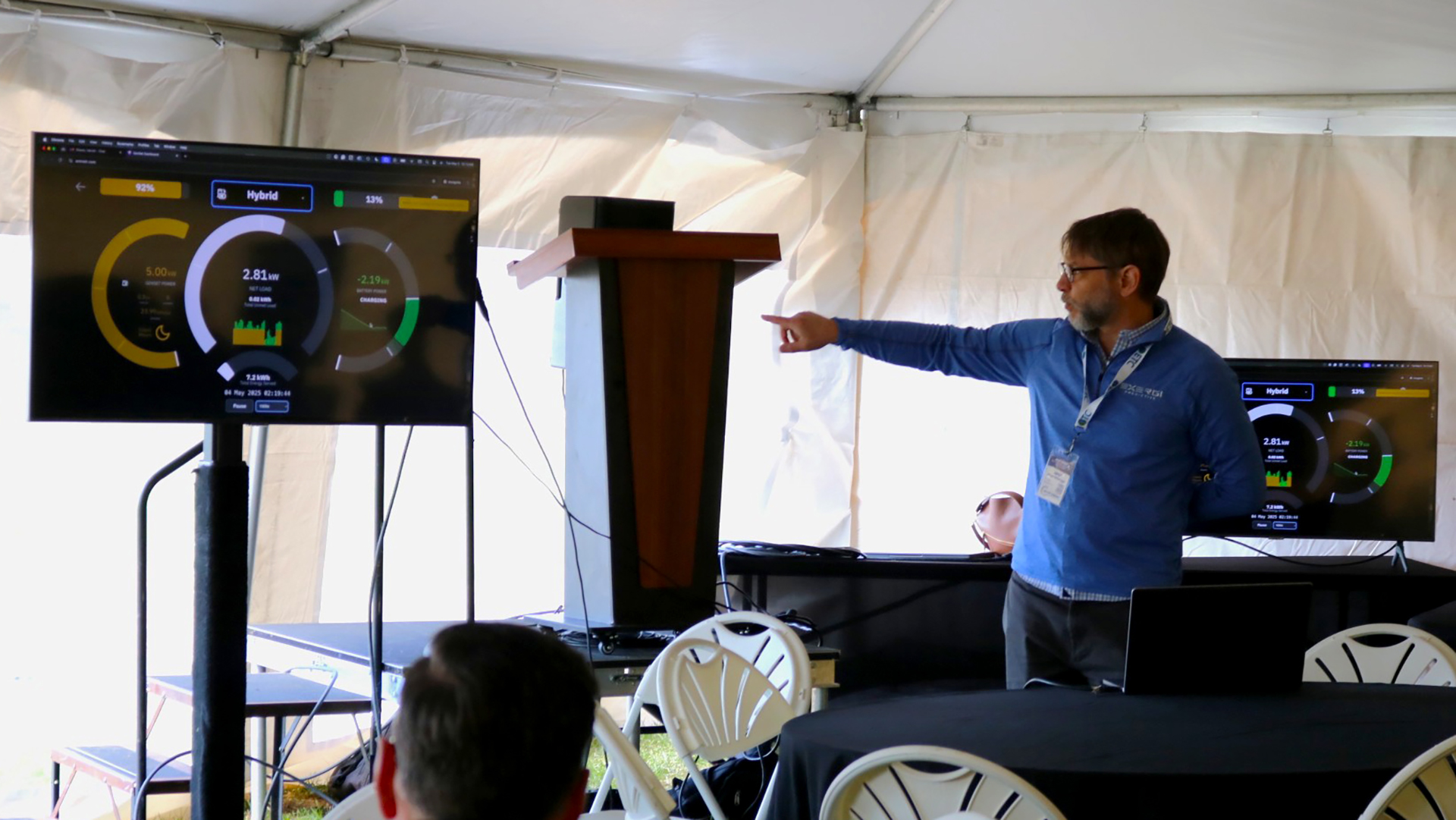
Exergi’s BEST START demonstration will show a 2% fuel-efficiency gain compared to state-of-the-art heuristic control strategies for a 5 kW military genset parallelled with a 6 kW-hr battery pack. Fuel is saved by learning the optimal power distribution between the engine and the battery at a given time during the day using a proprietary algorithm. The energy management code uses past energy data, along with desired times for silent watch and resiliency, to determine the optimal power split for a given day. Data and analysis will be displayed via a custom-designed user interface running on a ruggedized tablet. Exergi’s energy management software can be integrated into existing generator and microgrid power distribution systems to enable longer uptime, lower fuel use, and added capability for today’s fighting forces.
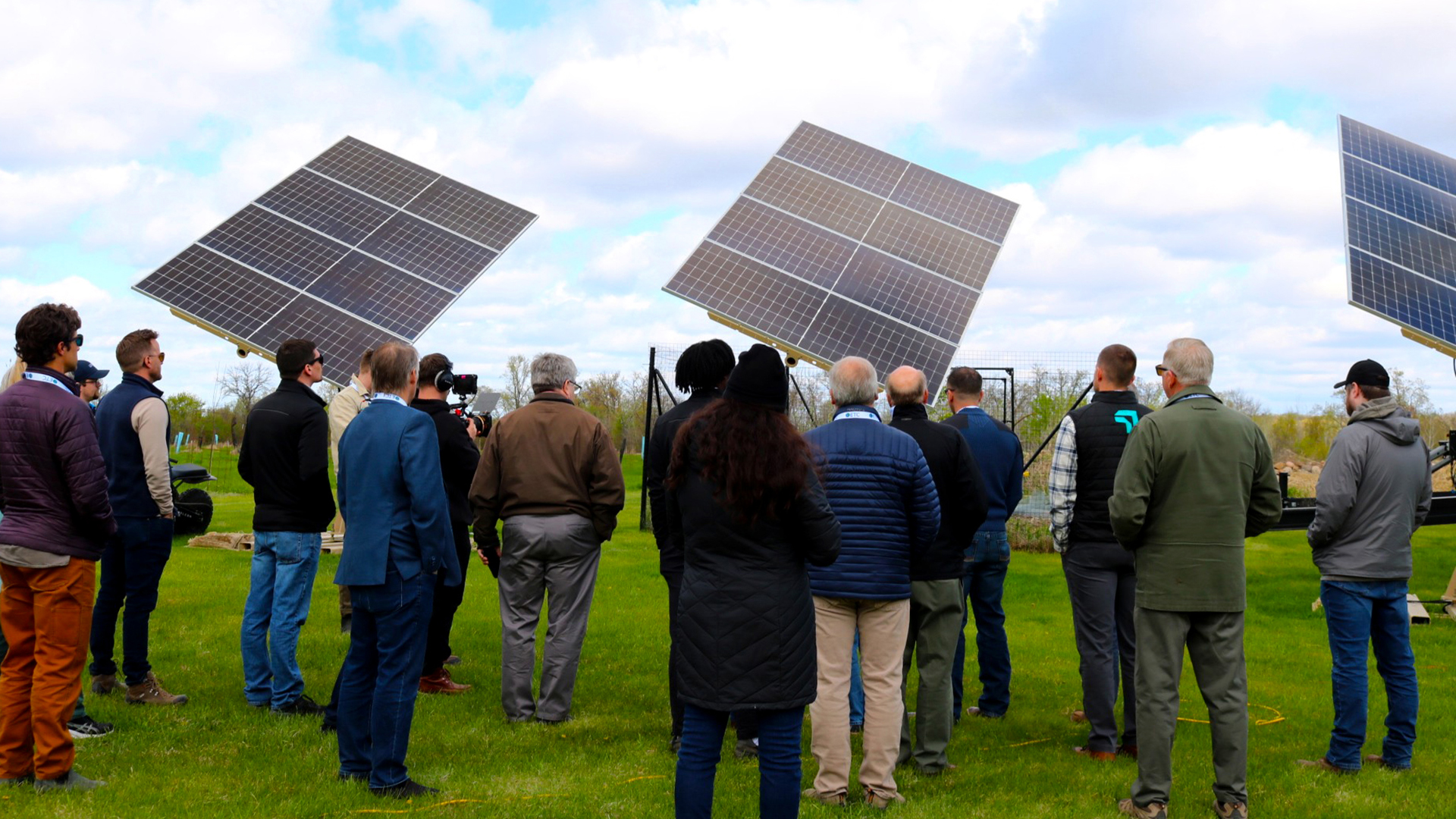
LEMA Defense, LLC has created a platform that permits a wide range of sensors to survey the surroundings. This sensor platform has a wide range of applications, including defense and border security, wildlife management, remote observations, fire detection, and weather reporting, among others. LEMA has installed radar, visual cameras, infrared detectors, weather monitors, and atmospheric chemical monitoring equipment on a tower in western Wisconsin (Somerset, Wisconsin). These sensors are integrated to provide a broad picture of the environment to the user. Sensor data is conveyed to a dashboard that displays data in real time, and archived data can be saved for later review. These systems are powered by LEMA’s high-performance dual-axis solar collector, so they operate autonomously and require very little maintenance or human interaction.
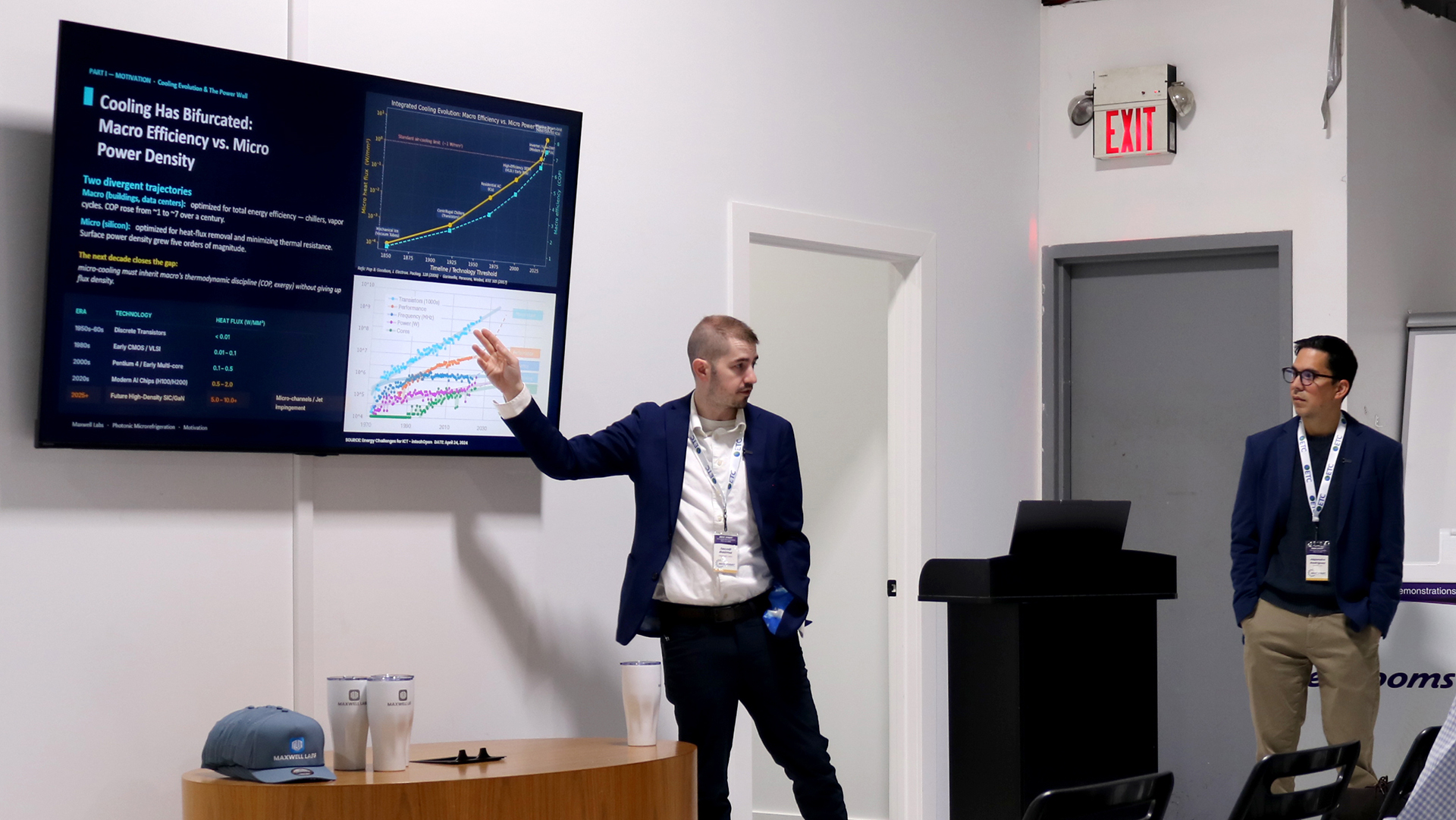
Maxwell Labs’ demonstration system is an early prototype of their MVP-1 Photonic Cold Plate. It aims to illustrate the principles of chip-scale photonic cooling on real chip hardware – namely, optical up-conversion of hot-spot generated heating, optical power recovery of the heat-carrying light, and real-time spatial and temporal targeting. The demonstration system enables chips to sustain much higher clock speeds and power densities than possible with traditional cooling systems and allows for Maxwell Labs to characterize the impact high-power laser cooling will have on chip performance and compute efficiency.
SYNCRIS will be demonstrating their patented Silicon-Carbide (SiC) inverters which enable rapid design, deployment, and mobility of microgrids for the warfighter. These 15-lb modules make for simple plug-and-play installation, low maintenance, and high-reliability in the field. The ability to generate and manage energy at any scale with the flexibility to adapt with the needs of the warfighter is crucial for the future battlefield. With high-efficiency SiC, these modern microgrids are significantly harder to detect while also reducing the logistical burden of diesel generators.
We recommend the following hotels:
Downtown Minneapolis:
Elliot Park Hotel
823 Fifth Ave S, Minneapolis, MN 55404
Hilton Minneapolis
1001 S Marquette Ave, Minneapolis, MN 55403
Bloomington (Near MSP Airport):
Hilton Minneapols-St. Paul Airport
3800 American Blvd E, Bloomington, MN, 55425
Hyatt Regency Bloomington – Minneapolis
3200 E 81st St, Bloomington, MN, 55425
Element Bloomington Mall of America (Mariott)
2400 E 82nd St, Bloomington, MN, 55425
Restaurants Downtown Minneapolis
- Red Rabbit (Italian)
- Spice & Tonic (Indian)
- Gai Noi (Lao)
- Brit’s Pub (British)
- The Local (Irish)
- Barrio (Latin American)
- Red Cow (American/Burgers)
Bloomington (Near MSP Airport)
- Hazelwood (New American)
- 5-8 Club (Burgers – including the famous Minnesota Juicy Lucy!)
- Kataki Sushi & Ramen (Japanese)
- Heather’s (American bistro)
- Fat Lorenzo’s (Pizza)
Dietary Restrictive Spots
- Hola Arepa: Gluten free unless otherwise marked
- Sift Bakery: 100% gluten free
- Brim: 100% gluten free
- Holy Land: Halal
- La Mama: Halal
- Moroccan Flavors: Halal
- Basil Pizza: Kosher
- Sato Sushi & American Fusion: Kosher
- The Herbivorous Butcher: Kosher, vegetarian, vegan
- Vitali’s Cafe: Kosher
- Bogart’s Doughnuts: Kosher
- Reverie Cafe & Bar: Vegan
- Vegan East: Vegan
- Hard Times Cafe: Vegetarian
- Modern Times: Vegetarian/Vegan options
- heal mpls: Vegan
- Naf Naf Grill: Dairy Free